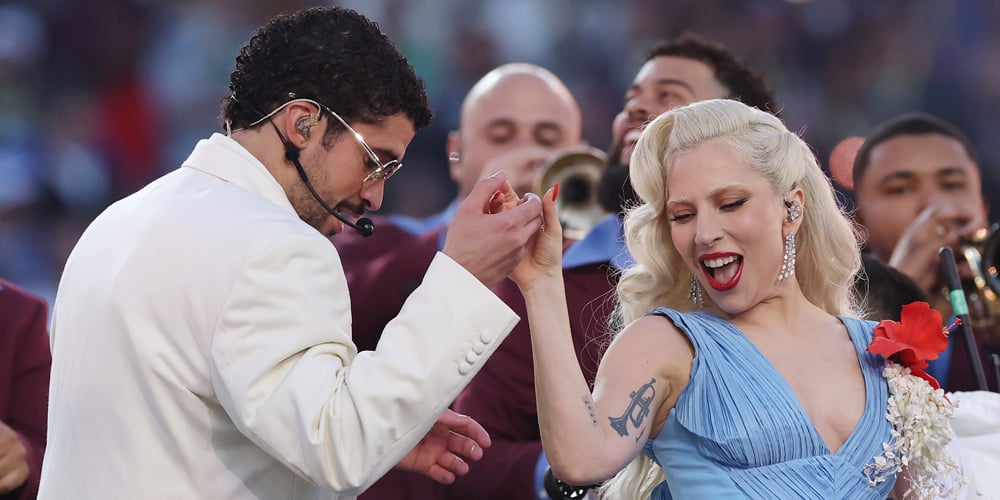
The Global Stage: Bad Bunny's Super Bowl LX Halftime Show Announcement Ignites Debate
The Super Bowl Halftime Show is more than just a break in a football game; it's an unparalleled global platform, a cultural touchstone that captivates hundreds of millions worldwide. When the NFL announced Benito Antonio Martínez Ocasio, better known as Bad Bunny, as the headliner for Super Bowl LX at Levi’s Stadium in Santa Clara, California, on February 8, 2026, the internet exploded. His selection immediately sparked conversation, not just about his music, but about language, culture, and the very identity of America's biggest sporting event.
Bad Bunny, a Puerto Rican superstar, has ascended to the pinnacle of the music world, dominating charts globally with his unique blend of Latin trap and reggaeton. What sets him apart from many mainstream artists, especially in the US market, is his unwavering commitment to performing almost exclusively in Spanish. This decision to celebrate his heritage and language on such a prominent stage has naturally led to a pressing question: Will Bad Bunny sing in English at the Super Bowl? This query forms the crux of much debate, especially regarding Bad Bunny lyrics in English Super Bowl conversations.
The hype officially kicked off with a tantalizing teaser for his Super Bowl LX Halftime Show, which he casually dropped on a Friday, instantly creating a social media frenzy. Filmed entirely in Puerto Rico, the teaser, also released on Apple Music, promised "Un Baile Inolvidable" — an unforgettable dance. The clip pulsated with meaning, showcasing Bad Bunny dancing effortlessly alongside people of all ages and backgrounds beneath the island's iconic flamboyant tree. It wasn't just a teaser; it was a global invitation, blending culture and connection, signaling that this performance would be deeply rooted in his identity. For more on the teaser's impact, see Bad Bunny's 'Un Baile Inolvidable': Super Bowl LX Teaser Sparks Global Buzz.
Will Bad Bunny Sing in English? Unpacking the Language Debate
The central question surrounding Bad Bunny's Super Bowl LX performance is undeniably whether he will break from his norm and perform Bad Bunny lyrics in English Super Bowl edition. Historically, he has maintained a strong stance on singing in Spanish, viewing it as a celebration of his Puerto Rican culture and a way to stay true to his roots. This commitment has not hindered his global appeal; in fact, it has likely amplified it, allowing him to carve out a unique space in an often English-dominated music industry.
Consider previous Super Bowl headliners: last year's Kendrick Lamar, a monumental figure in hip-hop, performed entirely in English. Yet, for many viewers, including older generations, understanding his intricate lyrics proved challenging, often requiring closed captioning. This highlights that even English performances don't guarantee universal lyrical comprehension, proving that the issue isn't simply language, but familiarity and genre.
Potential Scenarios for Bad Bunny's Performance:
- Primarily Spanish: Given his established artistic identity, the most probable scenario is that Bad Bunny will perform largely, if not entirely, in Spanish. This would be a powerful statement, celebrating Latino culture on the world's biggest stage and affirming that global appeal transcends language barriers.
- A Bilingual Blend: There's a possibility of incorporating a few English phrases or lyrics, perhaps in a hook or bridge, especially if collaborating with an English-speaking guest artist. This could be a nod to the wider American audience while still maintaining his cultural authenticity.
- Guest Features: Bad Bunny is known for collaborations. He might bring out guest artists who perform in English, allowing for a diverse linguistic tapestry within the show without requiring him to compromise his artistic integrity.
Ultimately, Bad Bunny's choice will be a deliberate one, reflecting his artistic vision and his desire to connect with his diverse fanbase. For him, the performance is not just about entertainment; it's about representation and cultural pride. This commitment to his language is a core part of his brand, and deviating too much from it could feel inauthentic to his millions of fans who celebrate his Spanish-language artistry.
The NFL's Strategic Play: Beyond American Football
The NFL's decision to tap Bad Bunny isn't just about booking a popular artist; it's a shrewd strategic move reflecting the league's evolving vision. The "No Fun League" has come a long way from its roots in college marching bands and middle-America pop stars like Carol Channing and Chubby Checker. In recent years, the Halftime Show has transformed into a reflection of contemporary music, often mirroring the tastes of the players themselves and a younger, more diverse audience, embracing rap, hip-hop, and world beat.
The league has a clear agenda: global expansion and tapping into burgeoning demographics. Here at home, the Hispanic population is a rising tide, accounting for approximately 20% of Americans and growing rapidly. This demographic represents a massive, influential market that the NFL is eager to engage. By selecting Bad Bunny, the league is making a clear statement about its commitment to inclusivity and its desire to broaden its fanbase beyond traditional lines.
This strategic shift is evident in how the Super Bowl Halftime Show now often attracts an audience not primarily interested in the game itself. Reports have consistently shown that TV ratings can often spike during the Halftime Show, only to dip once the game resumes. This indicates that the show has become a standalone event, a major cultural moment in its own right, capable of drawing in viewers who might not otherwise tune in for football. For a deeper dive into this strategic decision, explore Why the NFL Chose Bad Bunny: Global Reach & Hispanic Market Power.
While some conservative quarters might voice "controversy" over an artist who primarily sings in Spanish, the NFL's focus is firmly on market expansion. The league understands the immense cultural power and global reach of artists like Bad Bunny, who transcend linguistic and geographical boundaries. Their aim is to connect with new audiences, solidify their brand worldwide, and embrace the diverse tapestry of American culture, which increasingly includes vibrant Hispanic influences.
Cultural Impact and the Power of Authenticity
Bad Bunny's anticipated Super Bowl performance is more than just a musical act; it's a significant cultural moment. His appeal stems not only from his catchy tunes but also from his authenticity and his bold embrace of his Puerto Rican identity. He challenges norms, whether through his fashion choices, his advocacy for various social causes, or his steadfast commitment to his native language. His presence on the Super Bowl stage sends a powerful message about representation and the increasing prominence of Latin culture in mainstream America and across the globe.
His decision to not tour extensively in mainland America in the past due to fears of his fans, particularly those from immigrant communities, being arrested or deported by ICE, speaks volumes about his connection to and advocacy for his community. It's important to clarify that Puerto Ricans, like Benito himself, are U.S. citizens by birth, a fact often misunderstood. However, his concern highlights a broader empathy for the Hispanic community and its challenges, underscoring his role as a cultural figurehead who champions his people.
By bringing his unique sound and message to the Super Bowl, Bad Bunny has the opportunity to bridge cultural gaps and introduce Spanish-language music to an even wider, potentially unfamiliar, audience. It's a chance to demonstrate the universal appeal of rhythm and emotion, proving that music transcends linguistic barriers. His performance will underscore the power of authenticity in connecting with fans, fostering a sense of shared experience, regardless of whether the Bad Bunny lyrics in English Super Bowl debate is settled with a full Spanish set or a mix.
Ultimately, Bad Bunny's choice of language for his Super Bowl LX performance will be a testament to his artistic integrity and his desire to represent his culture with pride. Whether he performs entirely in Spanish or includes some English, the message will be clear: Latin music is global, powerful, and here to stay on the biggest stages.
Conclusion
Bad Bunny's selection as the Super Bowl LX Halftime Show headliner is a landmark event, signifying a powerful cultural shift and a strategic move by the NFL to embrace global audiences and the burgeoning Hispanic market. While the debate around whether Bad Bunny lyrics in English Super Bowl will feature prominently continues, his unwavering commitment to his Spanish-language roots suggests a performance steeped in authenticity and cultural pride. This isn't just about music; it's about representation, identity, and the expansive reach of Latin culture on the world's most watched annual television event. We anticipate "Un Baile Inolvidable" – an unforgettable dance – that will not only entertain millions but also leave a lasting impact on how we perceive language, music, and cultural celebration on the grandest stage.