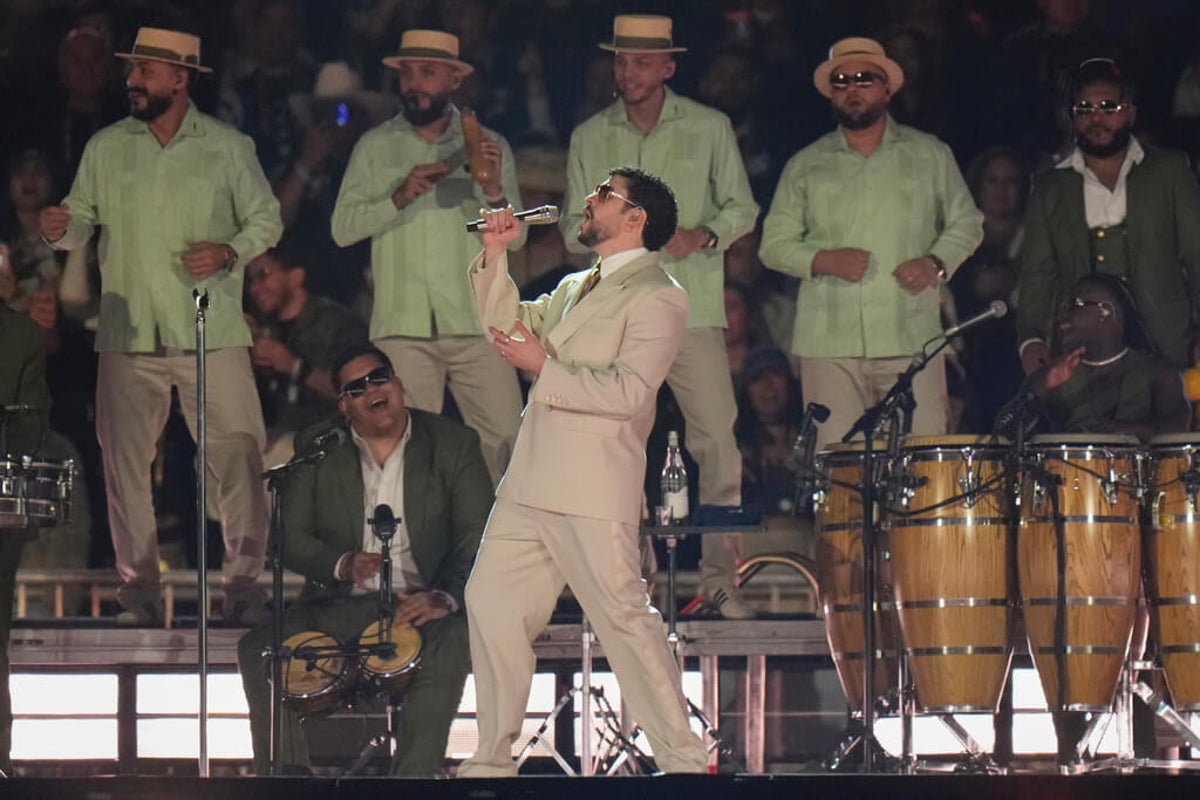
Bad Bunny's 'Un Baile Inolvidable': Super Bowl LX Teaser Sparks Global Buzz
The internet exploded with excitement and speculation recently as Bad Bunny dropped the first official teaser for the Super Bowl LX Halftime Show, set for February 8, 2026, at Levi’s Stadium in Santa Clara, California. Titled "Un Baile Inolvidable" (An Unforgettable Dance), the teaser immediately ignited a global conversation, not just about the spectacle to come, but also about the linguistic landscape of the biggest stage in American sports. Will Bad Bunny, a global superstar primarily known for his Spanish-language hits, perform his Bad Bunny Lyrics In English Super Bowl set, or will he proudly showcase his cultural roots? This question is at the heart of the unprecedented buzz surrounding the Puerto Rican sensation's upcoming performance.
The Teaser Heard 'Round the World: "Un Baile Inolvidable"
The Super Bowl LX Halftime Show teaser is more than just a preview; it's a vibrant statement. Filmed entirely in Puerto Rico, the clip is a masterclass in cultural immersion and universal invitation. It opens with Benito Antonio Martinez Ocasio, known universally as Bad Bunny, moving with effortless rhythm beneath the island's iconic flamboyant tree. Surrounded by people of all ages and backgrounds dancing alongside him, the visual narrative pulsates with authentic energy. This deliberate choice to root the teaser in his homeland speaks volumes, emphasizing his connection to his heritage and his commitment to showcasing it on the world stage.
The phrase "Un Baile Inolvidable" is not merely a slogan; it's a promise. It suggests a performance that transcends language barriers through the universal power of music and movement. The teaser quickly went viral, flooding social media platforms with analyses, predictions, and sheer anticipation. Fans are dissecting every frame, trying to glean clues about potential guest appearances, song choices, and, most importantly for many, whether his Super Bowl lyrics will be delivered in English or Spanish. The immediacy of the reaction underscores Bad Bunny's immense cultural footprint and the unique position he holds as an artist who has achieved unparalleled global fame without conforming to English-language dominance.
Bad Bunny's Global Phenomenon and the Language Question
Bad Bunny stands as one of the world's most streamed and influential recording artists, a feat made all the more remarkable given that he predominantly sings in Spanish. His rise to superstardom has defied traditional industry expectations, proving that authenticity and cultural pride can resonate globally. This backdrop makes the question of Bad Bunny Lyrics In English Super Bowl a central point of discussion among fans and critics alike.
Historically, the Super Bowl Halftime Show has largely been an English-language affair, with few exceptions. Even when artists like Kendrick Lamar headlined, the rapid-fire delivery of his lyrics reportedly led many older viewers to resort to closed captioning, highlighting the challenge of ensuring universal comprehension. Bad Bunny, who has consistently stated that he sings in Spanish to celebrate and uplift his culture, faces a unique dilemma. Will he pivot to English for the estimated 100 million-plus American viewers, many of whom may be unfamiliar with his Spanish catalog, or will he double down on his cultural statement?
There are arguments for both approaches:
- Performing in English: Could broaden his appeal to an even wider audience, potentially introducing his artistry to new demographics and securing his legacy in the mainstream American consciousness. He could also strategically incorporate English phrases or collaborate with English-speaking artists.
- Performing in Spanish: Would be a powerful statement of cultural pride and an affirmation of his loyal, massive fanbase who appreciate his authenticity. It would also further solidify the NFL's commitment to diverse representation, challenging the notion that global appeal must equate to English translation.
Regardless of his ultimate decision, the conversation itself highlights the growing influence of non-English music in the global landscape and the Super Bowl's evolving role as a cultural barometer. His performance has the potential to redefine what a "Super Bowl artist" can be.
Why the NFL Chose Benito: A Strategic Global Play
The NFL's decision to tap Bad Bunny for Super Bowl LX is a highly calculated move, signaling a profound shift in the league's strategic vision. Far from its early days of college marching bands and "Middle America pop stars" like Carol Channing, the Super Bowl Halftime Show has evolved into a global spectacle designed to attract a diverse audience far beyond traditional football fans. The choice of Bad Bunny is a testament to the NFL's aggressive pursuit of global brand expansion and its recognition of the burgeoning Hispanic market both at home and abroad.
Hispanics now account for approximately 20% of the American population, a rapidly growing demographic that is almost double the size of the Black population. This demographic shift makes appealing to this audience not just culturally relevant, but a critical business imperative for the NFL. By selecting Bad Bunny, the league is directly speaking to this powerful consumer base, acknowledging their cultural influence and economic power. For a deeper dive into this strategic decision, explore Why the NFL Chose Bad Bunny: Global Reach & Hispanic Market Power.
While some "in certain quarters" may voice controversy over the selection, preferring more traditional American acts, the NFL's focus is clearly on future growth. The league understands that the Halftime Show often garners higher TV ratings than portions of the game itself, attracting viewers who tune in solely for the musical performance. These viewers represent a massive opportunity for brand engagement.
Key strategic insights behind the NFL's choice:
- Demographic Realignment: Tapping into the fastest-growing demographic in the U.S. and Latin America.
- Global Reach: Bad Bunny's immense international popularity aligns with the NFL's goal of making American football a truly global sport.
- Youth Appeal: Reflecting the music tastes of the players and younger audiences (rap, hip-hop, world beat), ensuring the league remains relevant and cool.
- Cultural Authenticity: Embracing artists who celebrate their unique heritage, creating a more inclusive image for the league.
This move is reminiscent of past decisions, such as featuring Gloria Estefan of the Miami Sound Machine (who recorded mostly in English) in the 1992 Super Bowl, but Bad Bunny's global reach and cultural resonance are on an entirely different scale. It demonstrates that the NFL is actively listening to contemporary cultural currents and adapting its entertainment strategy to match.
Super Bowl Halftime: More Than Just a Game Break
The Super Bowl Halftime Show has undergone a remarkable transformation over the decades. What began as a local spectacle featuring college marching bands has morphed into an international music event, often overshadowing the championship game itself in terms of cultural discussion and viral moments. This evolution reflects a broader understanding by the NFL that the Super Bowl is not just a sporting event, but a massive entertainment platform designed to captivate a diverse, global audience.
Recent years have seen a consistent trend toward selecting artists who are not only hugely popular but also represent a wide spectrum of musical genres and backgrounds. From Usher with guests like Alicia Keys and H.E.R. in 2024 to Kendrick Lamar and SZA in 2025 (as initially speculated, though Kendrick headlined alone in 2022), the lineup showcases a deliberate move towards contemporary hip-hop, R&B, and now, with Bad Bunny, Latin trap and reggaeton. These choices ensure that the halftime show appeals to younger demographics and reflects the music tastes of modern athletes, effectively making the Super Bowl a cultural barometer.
The numbers speak for themselves: in many years, television ratings for the Super Bowl's halftime show see a significant bump, only to dip once the game resumes. This phenomenon underscores the reality that a substantial portion of the audience tunes in specifically for the musical performance, highlighting the show's power to attract viewers who may have little to no interest in football. For these "event viewers," the halftime show is the main attraction, and the NFL leverages this to expand its reach and brand exposure.
Practical Tip: For brands and artists, a Super Bowl Halftime slot is an unparalleled marketing opportunity. It offers instant global visibility and validation, often leading to massive spikes in streaming numbers, album sales, and social media engagement. Artists chosen for this stage are not just performers; they become temporary cultural ambassadors for the NFL, reflecting the league's aspirations and evolving identity.
Conclusion
Bad Bunny's 'Un Baile Inolvidable' teaser for Super Bowl LX has set the stage for what promises to be one of the most culturally significant Halftime Shows in history. His selection by the NFL is a bold statement about global reach, demographic relevance, and the league's commitment to embracing diverse cultural voices. As the world eagerly awaits February 8, 2026, the discussion around Bad Bunny Lyrics In English Super Bowl will continue to intensify. Regardless of the language he chooses, Bad Bunny's performance is poised to be an unforgettable moment, celebrating Puerto Rican pride on the grandest American stage and further cementing the Super Bowl Halftime Show as a truly global phenomenon.